

If you’re searching for the best dentist in Columbia, SC, chances are you care about keeping your smile healthy. One of the biggest threats to that healthy smile is something we all deal with every day: dental plaque.
Plaque is a sticky film of bacteria that constantly forms on our teeth. Even with regular brushing, it can build up quickly. When plaque isn’t removed properly, it can lead to cavities, gum disease, and other oral health problems. The good news? Your mouth often gives you clear warning signs.

5 Signs You Have Too Much Plaque on Your Teeth
1. Your Teeth Feel Fuzzy or Rough
Have you ever run your tongue across your teeth and noticed a slightly fuzzy or rough feeling? That sensation often signals plaque buildup. Clean teeth should feel smooth, especially after brushing.
Plaque forms within hours after cleaning. If brushing doesn’t leave your teeth feeling smooth, it may mean plaque is accumulating in hard-to-reach areas. Back molars and along the gumline are common trouble spots. Paying attention to how your teeth feel can give you an early clue that your routine needs adjustment.
2. Your Gums Bleed When You Brush or Floss
Bleeding gums are not something to ignore. Many people assume it means they’re brushing too hard. In reality, plaque buildup along the gumline is a frequent cause.
Plaque irritates the gums. Inflammation follows. This early stage of gum disease, called gingivitis, often begins with redness, tenderness, and bleeding during brushing or flossing. Removing plaque consistently can help reverse these symptoms before they progress.
3. Persistent Bad Breath
Occasional bad breath happens. Chronic bad breath is different. Plaque contains bacteria that release odor-causing compounds. When plaque builds up, those bacteria multiply.
If you notice lingering bad breath even after brushing, plaque could be the culprit. Brushing your tongue helps, yet professional cleanings remove buildup in places your toothbrush can’t reach. Fresh breath often follows a thorough cleaning.
4. Yellow or Dull Teeth Near the Gumline
Plaque itself is colorless at first. Over time, it can appear pale yellow. When it isn’t removed, it hardens into tartar. Tartar looks darker and feels rough.
You may notice discoloration along the gumline or between teeth. That staining isn’t always from coffee or tea. It’s often hardened plaque. Once plaque turns into tartar, it cannot be removed with brushing alone. Professional tools are needed.
5. Increased Tooth Sensitivity
Plaque can contribute to enamel erosion and gum recession. As gums become irritated and pull back, the roots of the teeth may become exposed. Roots lack the protective enamel that crowns have.
Sensitivity to hot, cold, or sweet foods may follow. Addressing plaque early helps protect enamel and gum tissue. Healthy gums support strong teeth.
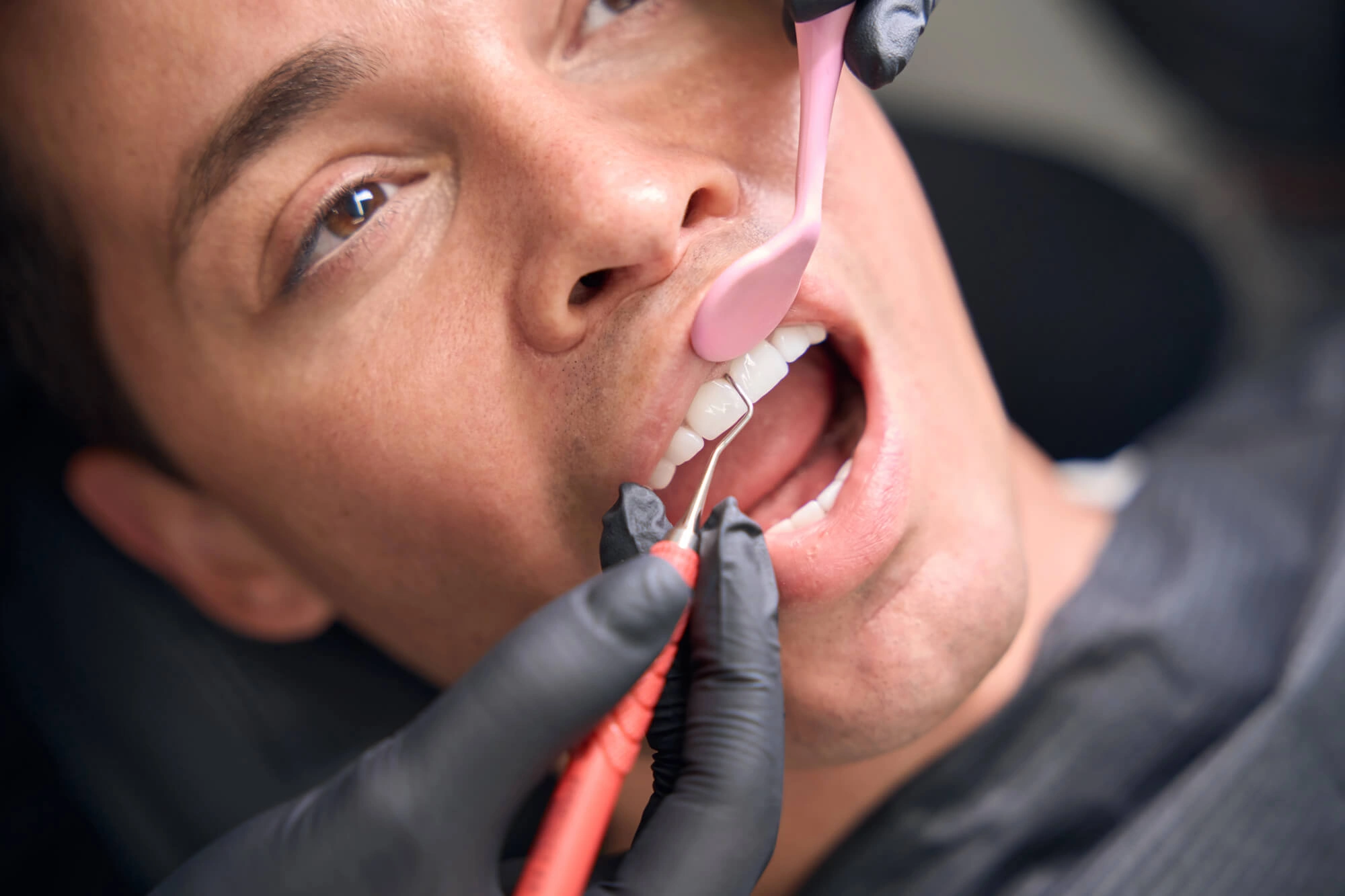
Professional Cleanings Matter with the Best Dentist in Columbia, SC
Brushing and flossing are essential, but they can’t remove hardened tartar. Professional cleanings safely clear plaque and buildup that home care misses.
At Southern Smiles, we focus on prevention. We gently remove plaque and tartar while checking for early signs of concern. Routine cleanings protect your gums, lower cavity risk, and keep your smile healthy.
If you’ve noticed signs of plaque buildup, now is a great time to schedule a visit. Contact Southern Smiles today and experience care from the best dentist. We’re here to support your smile every step of the way.